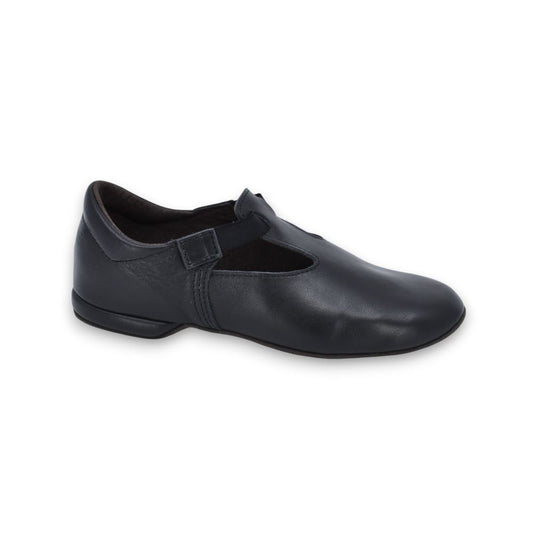
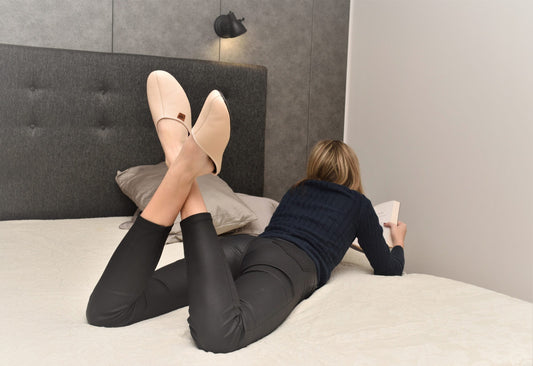
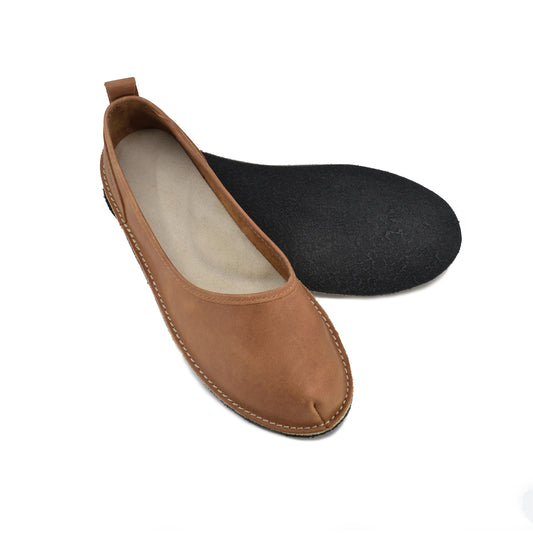
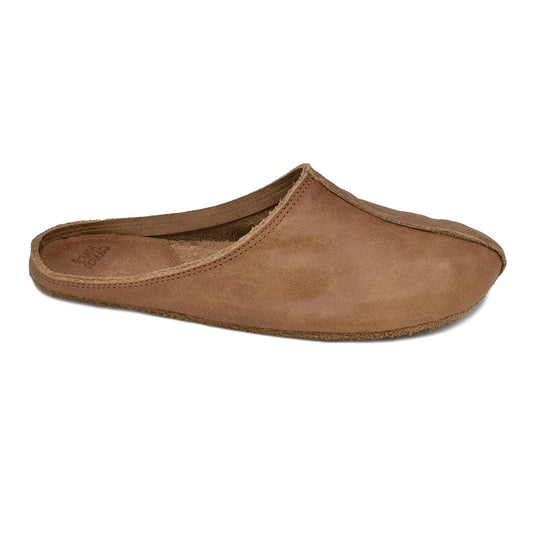
OmaKing is an Estonian footwear brand whose family shoemaking tradition began in 1927. Ritico OÜ manufactures footwear in Kirumpää, Võrumaa, and the OmaKing name was adopted for the company's slippers, sandals, and insoles in 1998. At Naiselle.fi, you can find, among others, Kuutsid leather shoes, TOKU models, sandals, and indoor footwear.
Materials, lasts, and insoles of OmaKing models vary by product. Therefore, familiarize yourself with both this brand guide and the size chart and technical details of the product you choose.
OmaKing in a nutshell
| Question |
Answer |
| Where is the brand from? |
From Estonia. Ritico OÜ's production is located in Kirumpää, Võrumaa. |
| When did the shoemaking tradition begin? |
In 1927, when Peeter started as a shoemaker in Vastseliina. |
| When was the OmaKing name created? |
The slippers, sandals, and insoles made by the company were given the OmaKing name in 1998. |
| What does Naiselle.fi's selection include? |
For example, Kuutsid shoes, TOKU sandals, and other women's footwear. The selection changes based on availability. |
| Are all OmaKing shoes made of leather? |
No. The material varies depending on the model and color version, so check the product-specific details. |
Family shoemaking tradition since 1927
The OmaKing story begins in Vastseliina, where Peeter worked as a shoemaker, making and repairing customers' footwear. Ritico OÜ was founded in 1993, and its own gymnastics shoe production started a few years later. The company moved to Kirumpää as it grew, and the OmaKing name was adopted in 1998.
According to the manufacturer's history description, production has been kept in Estonia. The same company later created TOKU, which combines the company's shoemaking heritage with modern design. However, the shared background of the brands does not mean that all models have the same structure or materials.
Which OmaKing model should I choose?
| Model family |
What is it like? |
Check before ordering |
| Kuutsid |
Low everyday shoes in various colors and materials. Selected leather models feature a latex insole and a lightweight EVA outsole. |
Is it a regular or Wide last; upper and insole material. |
| Kuutsid Wide |
Versions with a wider toe box. Naiselle.fi’s Wide Brown product page describes a wider toe box and a more natural toe position. |
Compare your foot length to the size chart and make sure the width fits you perfectly. |
| TOKU |
Ritico OÜ’s more modern design line, which includes sandals and slip-ons. |
Model-specific lining, insole, and intended use. |
| Slippers and indoor footwear |
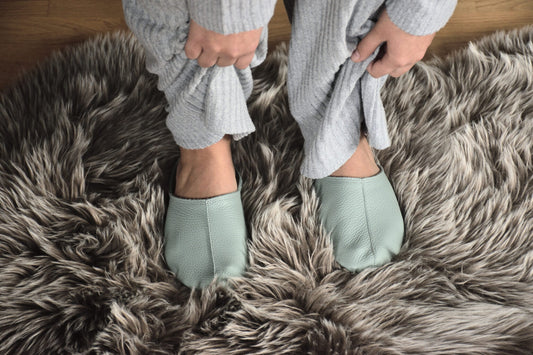
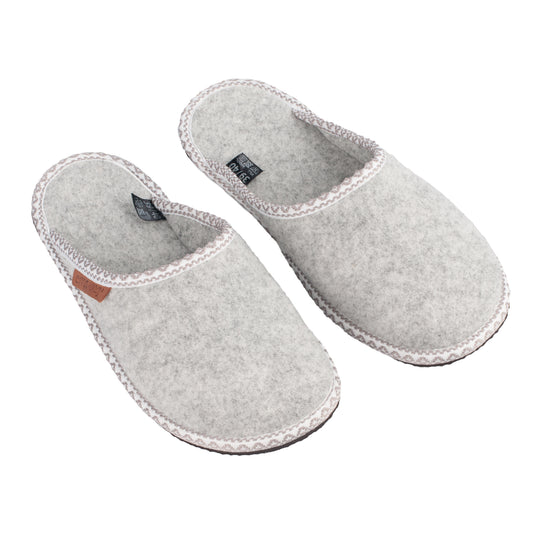
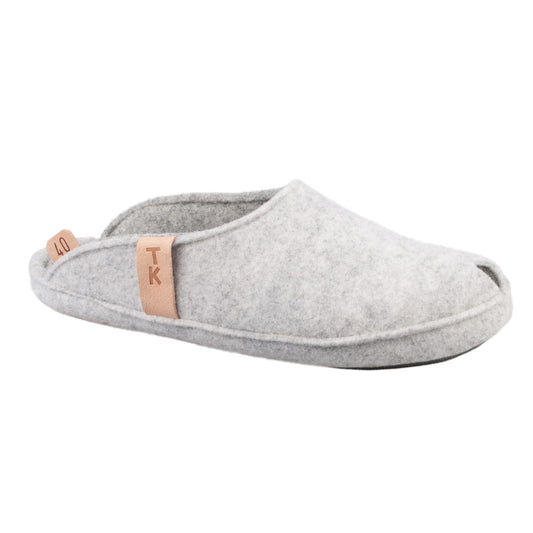
The selection may include leather, felt, and textile models. |
Material, sole structure, washing or care instructions, and indoor/outdoor use. |
| Sandals |
Open summer footwear from the OmaKing and TOKU collections. |
Strap material, insole structure, and size chart. |
Kuutsid: comfort for everyday shoes
On Naiselle.fi’s Kuutsid Cappuccino product page, the upper is leather, the soft latex insole is covered with leather, and the outsole is lightweight EVA material. This structure does not automatically apply to every color or version: for example, some models have uppers or insoles made from different materials.
If you need more room for your toes, check out the Kuutsid Wide Brown model. Its product details describe a wider toe box than usual and model-specific cork and latex insoles. The Wide label does not replace measuring your foot.
TOKU: from tradition to modern design
According to OmaKing’s official history, the TOKU line was created between 2014 and 2020 to showcase the family business’s shoemaking skills in a new, contemporary way. The product details for Naiselle.fi’s TOKU Berlin sandals mention leather uppers, soft lycra lining, latex insoles, and EVA outsoles.
The TOKU or OmaKing name alone does not indicate the product material. Always check the details for the color and model you choose, as versions within the same model family can differ.
Size, last, and fit
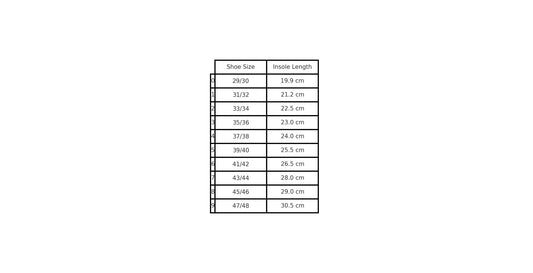
The OmaKing collection includes models with both standard and wider toe boxes. The size number alone does not determine fit, so measure your foot length from heel to the tip of the longest toe and compare the result to the product-specific size chart.
Also consider sock thickness, the widest part of your foot, and whether you need space for an insole. If you are between two sizes, it’s better to compare centimeters rather than choose a size based on general assumptions. It’s advisable to ask Naiselle.fi customer service for advice if the model’s sizing is unclear.
Materials vary by model
OmaKing shoes and slippers use materials such as leather, felt, textile, polyurethane-based material, latex, cork, and EVA depending on the model. Therefore, the entire brand should not be described with a single material claim.
Leather uppers can shape with use, while felt and textile products have different care needs. EVA outsoles are lightweight, but the sole’s structure and stiffness should always be assessed on a product-by-product basis.
Care for OmaKing footwear
Clean leather models with a soft brush or damp cloth and use a care product suitable for that specific type of leather. Let the shoes dry at room temperature, not near a direct heat source. For felt and textile products, follow the product's own washing and care instructions; machine washing should not be assumed allowed without a separate indication.
See more practical instructions in the leather shoe care guide.
Frequently asked questions about OmaKing
Is the name spelled OmaKing or Omaking?
The official spelling used by the manufacturer is OmaKing. However, for technical reasons, the collection address on Naiselle.fi may be /collections/omaking.
Where are OmaKing shoes made?
According to the manufacturer, Ritico OÜ's production is located in Kirumpää, Võrumaa, Estonia. Also check the country of manufacture in the details of each individual product.
Are all Kuutsid shoes suitable for wide feet?
Not necessarily. The selection includes versions specifically marked as Wide, which according to product information have more toe space. Check the model name, size chart, and width details on the product page.
Are all OmaKing products made from natural materials?
No. Materials vary, and some products also use synthetic materials such as EVA, lycra, or PU-based upper material. The product-specific material list is the correct source for purchase decisions.